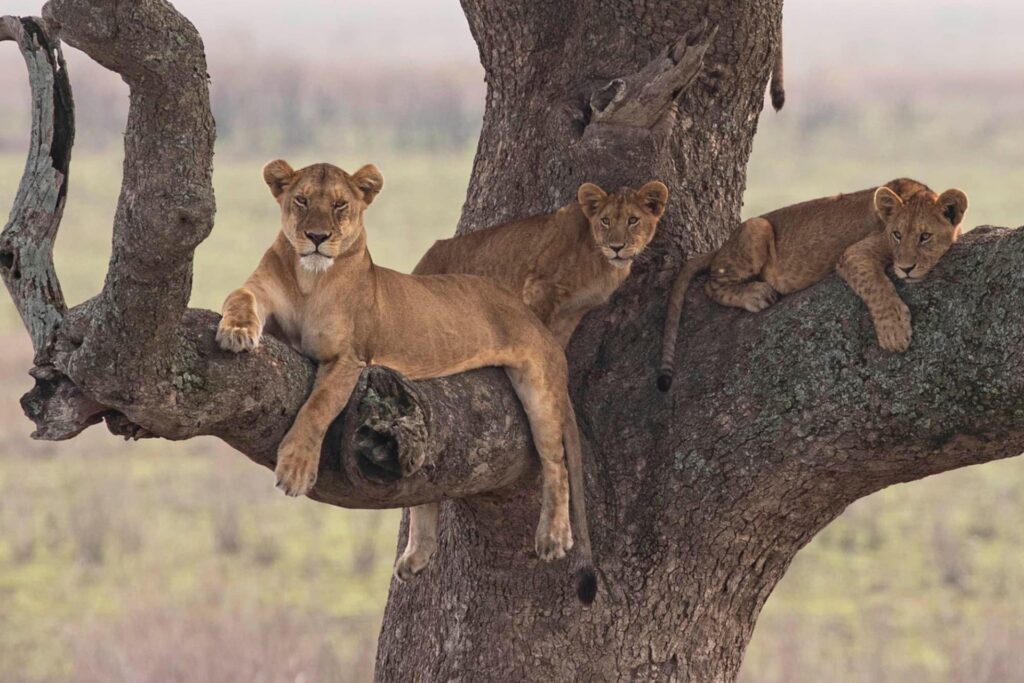
Few places in Africa feel as raw and untouched as Tanzania's northern Serengeti. Here, the ancient Lobo Valley gives way to the vast, open plains of the eastern Namiri region, a landscape with an abundance of predators where cheetah stalk golden grasslands and game viewing feels personal, private, and profoundly wild.

700+

Species of birds

1,200+

Lions

237+

Diversity of mammals

Tanzania is an East African giant often called the “Real Africa” for its raw, untouched wilderness. It encompasses a stunning mosaic of habitats: the ancient, rocky valleys of the remote Lobo region in the northern Serengeti, the vast sun-bleached plains of the eastern Serengeti’s Namiri area, and the open grasslands dotted with granite kopjes that connect them.

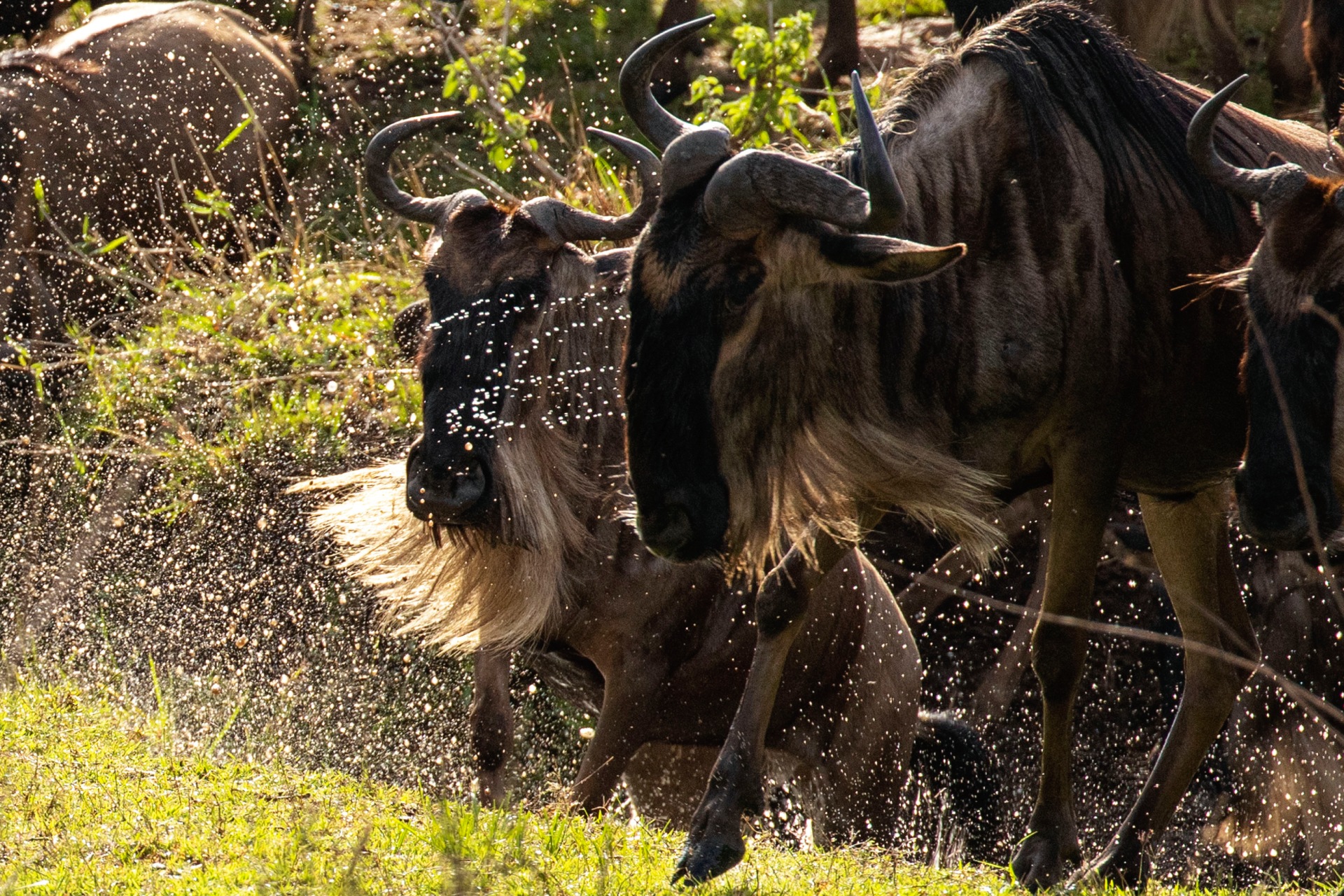
From the short-grass plains of the Northern Serengeti to the acacia-dotted Ndutu region, February offers exceptional photographic conditions during the peak of calving season, where the landscape teems with vulnerable new-born’s and intense predator activity. The safari is carefully timed to coincide with the wildebeest calving season, one of the most dramatic periods in the Serengeti ecosystem, with our focus on the incredible predator activity that naturally accompanies this time.

As a result, Tanzania remains a premier safari destination, hosting an incredible density and diversity of wildlife found almost nowhere else on Earth
Framing the Wild

The northern Serengeti reveals itself in two distinct faces: the ancient, rugged Lobo Valley, where rocky kopjes rise from riverine woodlands, and the vast, open Namiri plains, a remote cheetah stronghold closed to the public for over two decades to protect its predators.

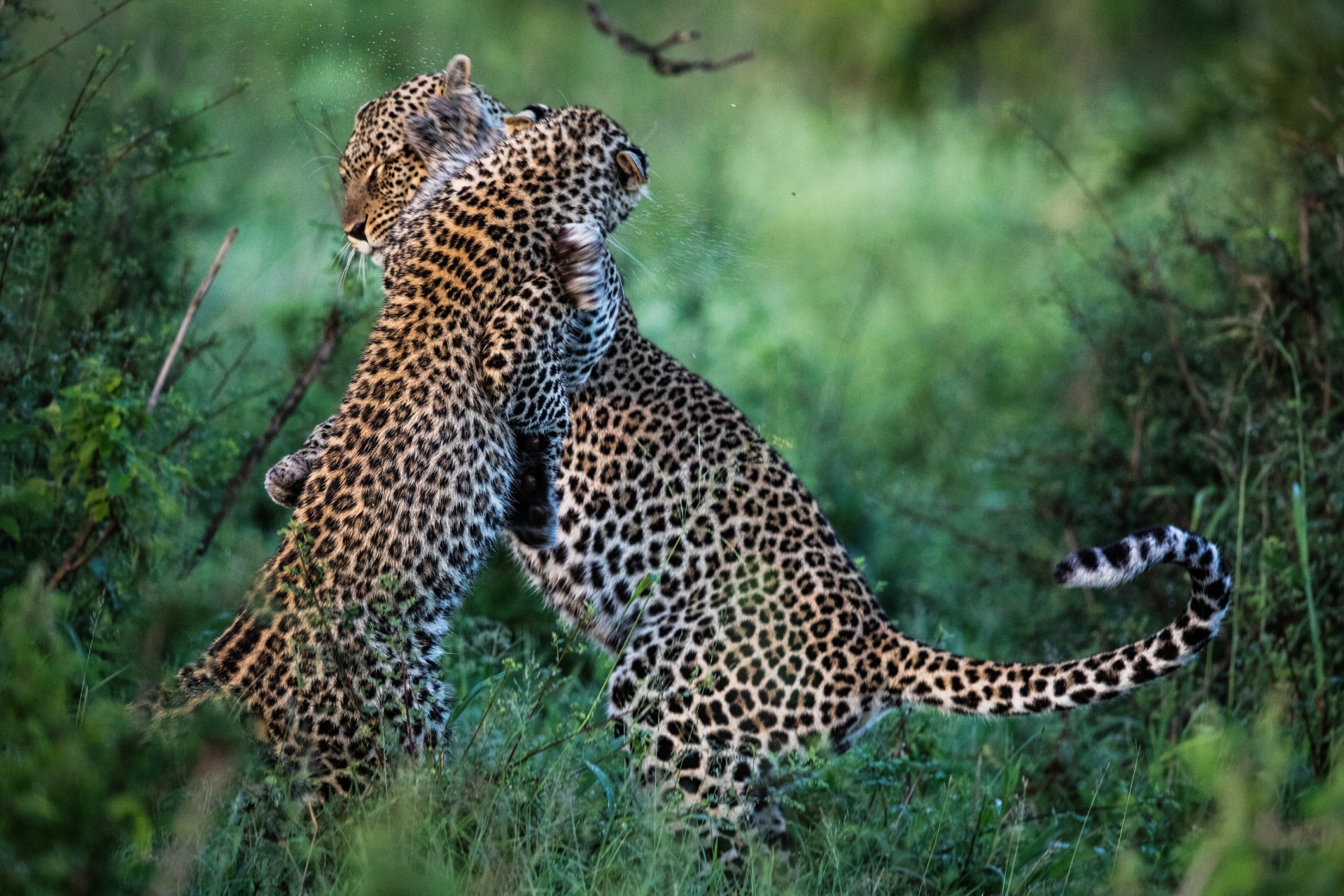
In Lobo Valley, the energy feels intimate and timeless. Leopard track along rocky outcrops at dawn. Elephant bulls move through stands of sausage trees. A place where wildlife watches you as much as you watch them.

In Namiri, the horizon stretches endlessly. Cheetah hunt in full daylight against golden grass. Lions rest on open ground with no vehicles in sight. This is big sky country, raw, quiet, and intensely private.

For photographers, Lobo Valley offers dappled light, dramatic kopjes, and leopard among the rocks. Namiri delivers clean backgrounds, endless sightlines, and cheetah at golden hour. Two different worlds. One extraordinary safari

Tanzania – Wildlife & Game Viewing

Tanzania delivers one of Africa’s most extraordinary wildlife experiences. The animal life here is vast, varied, and visible year-round. Expect lion, leopard, cheetah, spotted hyena, golden jackal, bat-eared fox, elephant, buffalo, hippo, Nile crocodile, zebra, Masai giraffe, wildebeest, eland, topi, hartebeest, impala, Grant’s gazelle, Thomson’s gazelle, dik-dik, klipspringer, bushbuck, waterbuck, reedbuck, roan antelope, common duiker, warthog, bushpig, honey badger, porcupine, serval, caracal, African civet, genet, mongoose, otter, olive baboon, vervet monkey, and over 500 bird species including the lilac-breasted roller, martial eagle, secretary bird, Kori bustard, saddle-billed stork, African fish eagle, crowned crane, malachite kingfisher, carmine bee-eater, ostrich, and ground hornbill.

Untamed. Unhurried. Unforgettable.

Tanzania remains vast, ancient, and unchanged. Here, the Serengeti stretches beyond the horizon, and the wildlife moves with a freedom felt nowhere else. This is not a curated experience. It is a raw, living ecosystem where lion, leopard, cheetah, elephant, buffalo, zebra, and wildebeest follow the rhythms of rain and dry earth. From the rocky cathedrals of the northern valleys to the endless eastern plains where cheetah hunt in open light, Tanzania offers something increasingly rare: silence, space, and the sense that you have arrived before the rest of the world.

You cannot copy content of this page

Scroll to Top