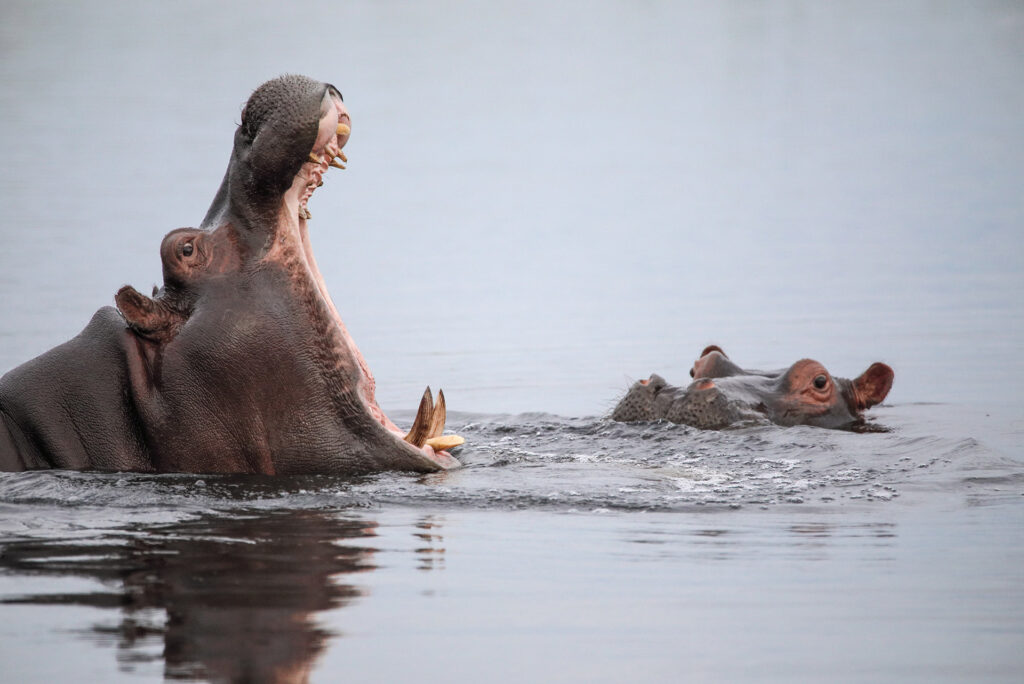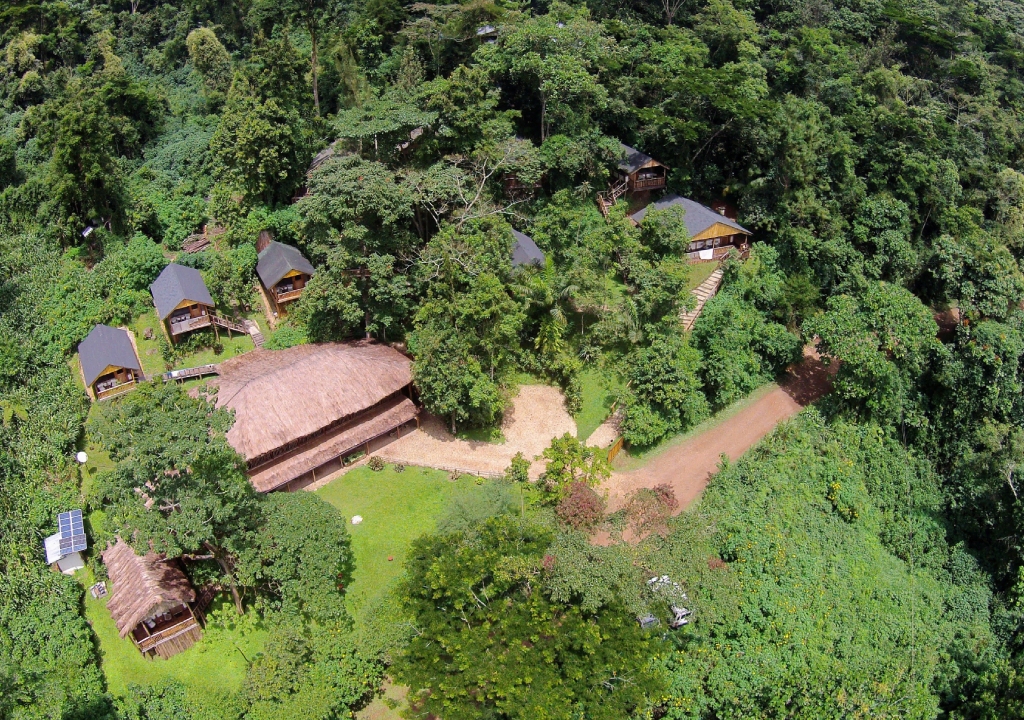
Uganda is home to some of Africa's most diverse and accessible wildlife, with a landscape ranging from snow-capped mountains to vast savannahs and dense rainforests. Located in East Africa, this compact but ecologically rich country offers wildlife viewing that is both abundant and world-renowned.

1,070+
Species of birds
1,500+
Mountain gorillas
(half of the world's remaining population, in Bwindi alone)
340+
Species of Mammals
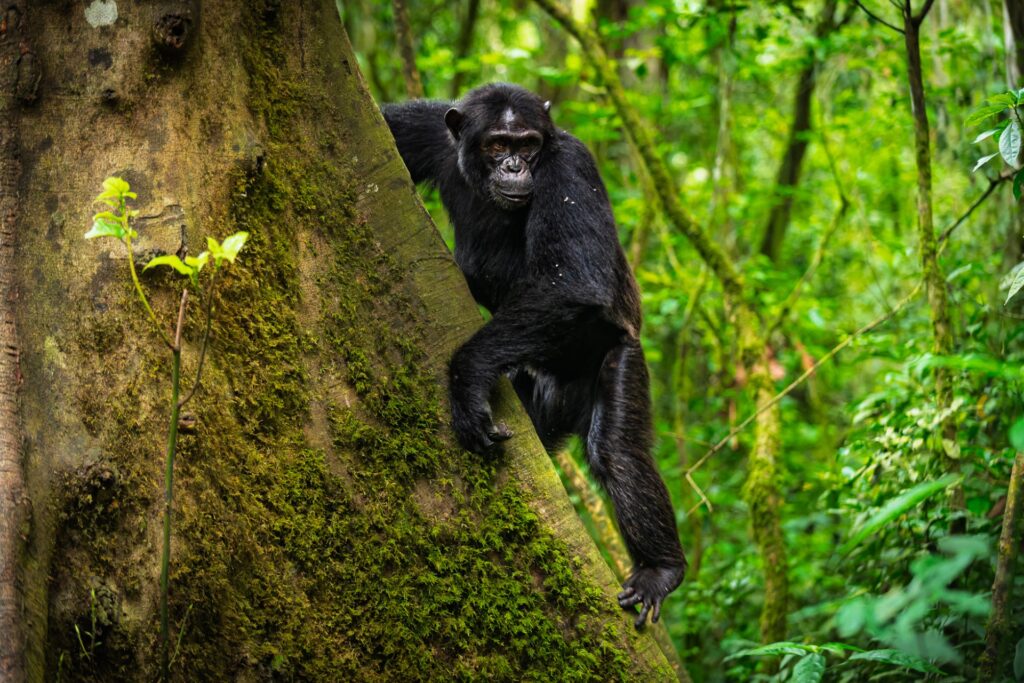
Uganda is a landlocked country often called the “Pearl of Africa.” It encompasses a stunning mosaic of habitats: savannah plains (Queen Elizabeth and Murchison Falls National Parks), tropical rainforests (Bwindi and Kibale), freshwater lakes (including Lake Victoria, the largest in Africa), and the Rwenzori Mountains (Africa’s third-highest peak). While few species are strictly endemic, Uganda’s extraordinary biodiversity comes from sitting at the crossroads of East African savannah, West African rainforest, and Central African ecosystems.
During the wet seasons (March–May and October–November), heavy rains make some roads impassable but bring lush vegetation. During the dry seasons (June–September and December–February), animals gather around shrinking water sources, offering spectacular game viewing. Despite challenges from human-wildlife conflict and habitat pressure due to one of the world’s highest population growth rates, Uganda has made significant strides in community-based conservation and anti-poaching efforts. Gorilla trekking permits and tourism revenue directly fund ranger programs and local development. As a result, Uganda remains a premier safari destination, hosting an incredible density and diversity of wildlife found almost nowhere else on Earth.
Home of the Primates
Mammal Species
Pearl of Africa