
Wildlife Photography Safaris in India: What Photographers Look For
It was a sultry afternoon in Bandhavgarh.
Somewhere in the Khitauli zone, our jeep stood idle as three of us waited in silence watching the wildlife naturalist study a fresh set of pugmarks pressed into the dust. Jackets had come off despite it being January, the afternoon heat settling heavily around us.
He remained silent for a while, listening carefully for alarm calls and scanning the forest for the slightest sign of a tiger nearby.
Then came the sound, a low grunt, barely audible to us, but enough for our guide and driver to react instantly. Before we could process what was happening, the gypsy lurched forward at a startling speed, tearing through the track as dry air rushed past our faces like something out of a chase sequence in a film.
“There may be a tiger nearby,” the guide said calmly.
A sharp whistle cut through the silence. The driver braked suddenly, causing all of us to instinctively grip the sides of the vehicle.
And there he was. D1.
He emerged without urgency, powerful and completely unbothered, walking past us and apparently toward the Magadhi zone of the forest.
“Piche,” our guide instructed softly.
The gypsy rolled back slightly before inching forward again, carefully repositioned for a clear line of sight.
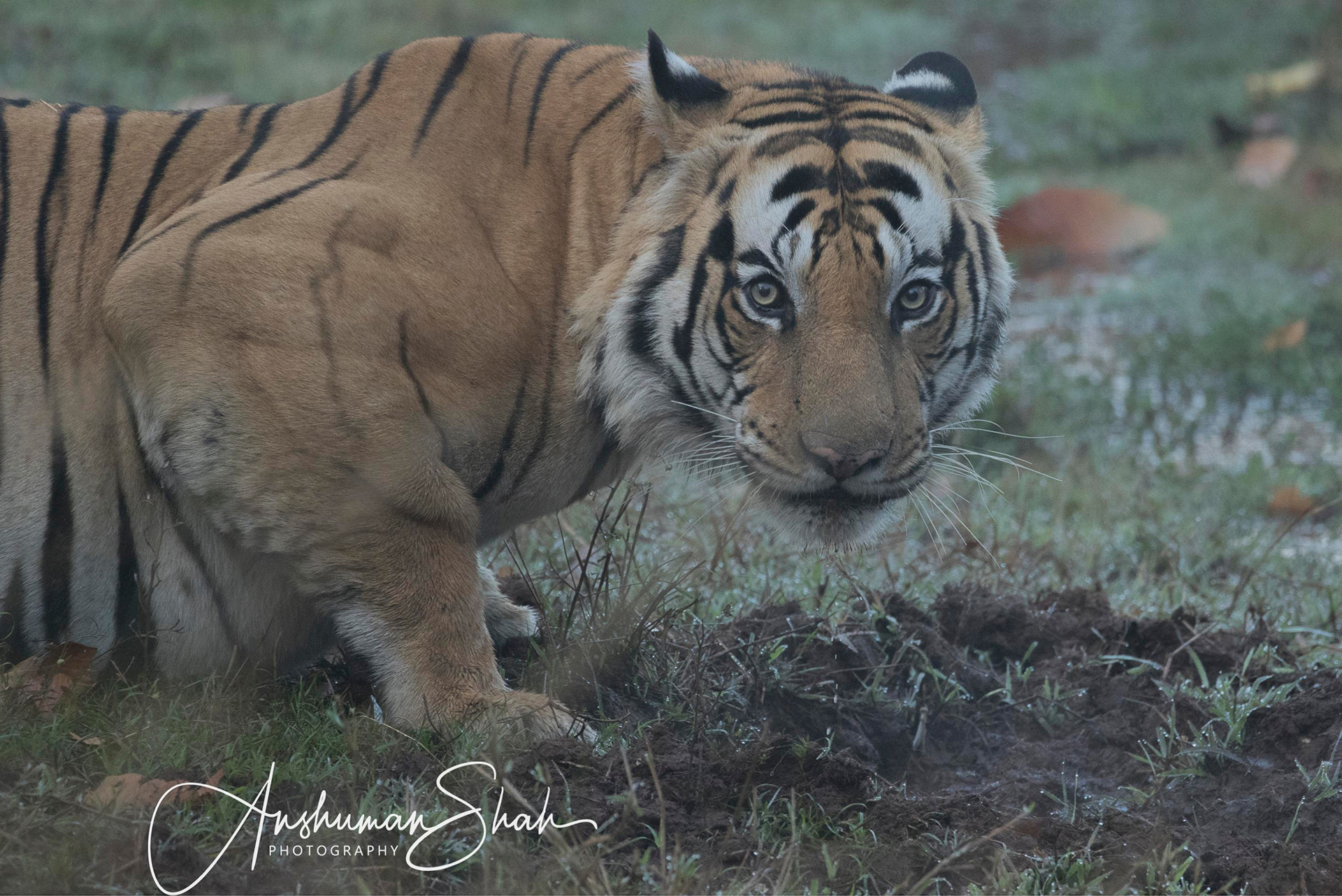
Then came the moment photographers wait endlessly for. Out from behind the trunk of a tree, D1 stepped out, and just for a second, locked eyes with the lens. Despite the harsh afternoon light, a powerful headshot was captured, the kind that draws an immediate gasp from anyone who sees it.
For wildlife photographers on a jungle safari in India, these are the moments that matter most — not just seeing a tiger, but being in the right place, at the right time, with the right people guiding the experience behind the scenes. And that is precisely why so many photographers choose Wilderness Uncut.
Wildlife Photography Tours Led by Experienced Tour Leaders
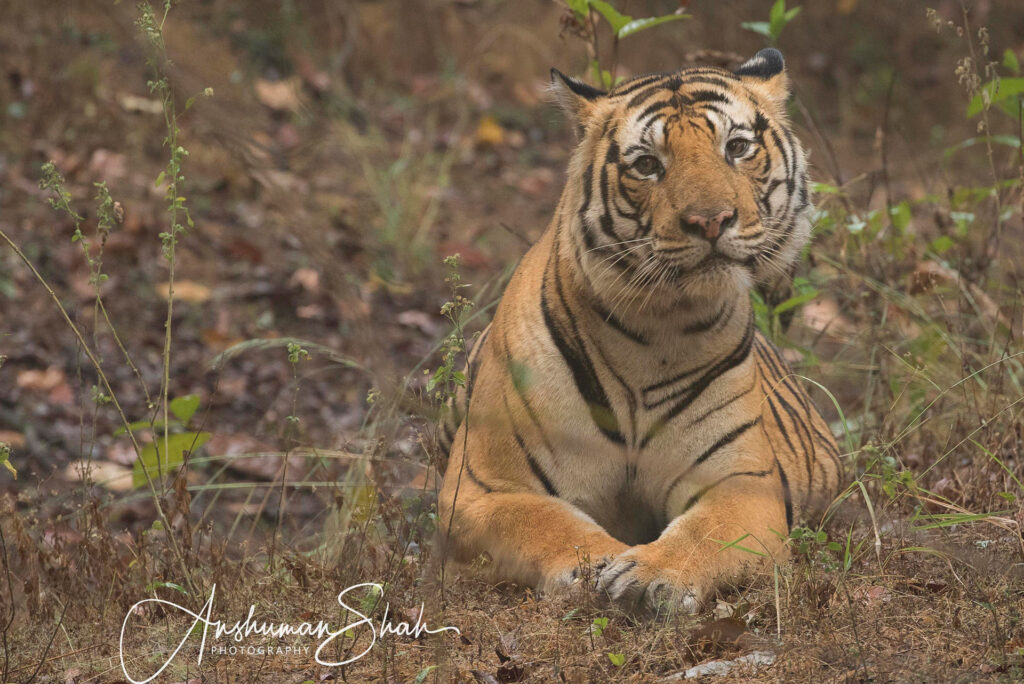
With Wilderness Uncut, your journeys are guided by expedition leaders who understand what photographers are truly looking for — the right light, the right angle, the split-second shift in behaviour that transforms a sighting into an unforgettable frame.
With photographers and tour leaders like Sara Jenner, Grant Atkinson and Darren Donovan leading the way — someone who has spent years photographing across India, Africa, and the polar regions — the experience is deeply collaborative.
For both seasoned photographers and those exploring beginner wildlife photography, their guidance shapes the way you approach the wild through a lens, whether it’s helping you anticipate animal movement, adjusting camera settings according to the light or simply knowing when to stay patient.
Better Safari Photography Through Smaller Group Experiences
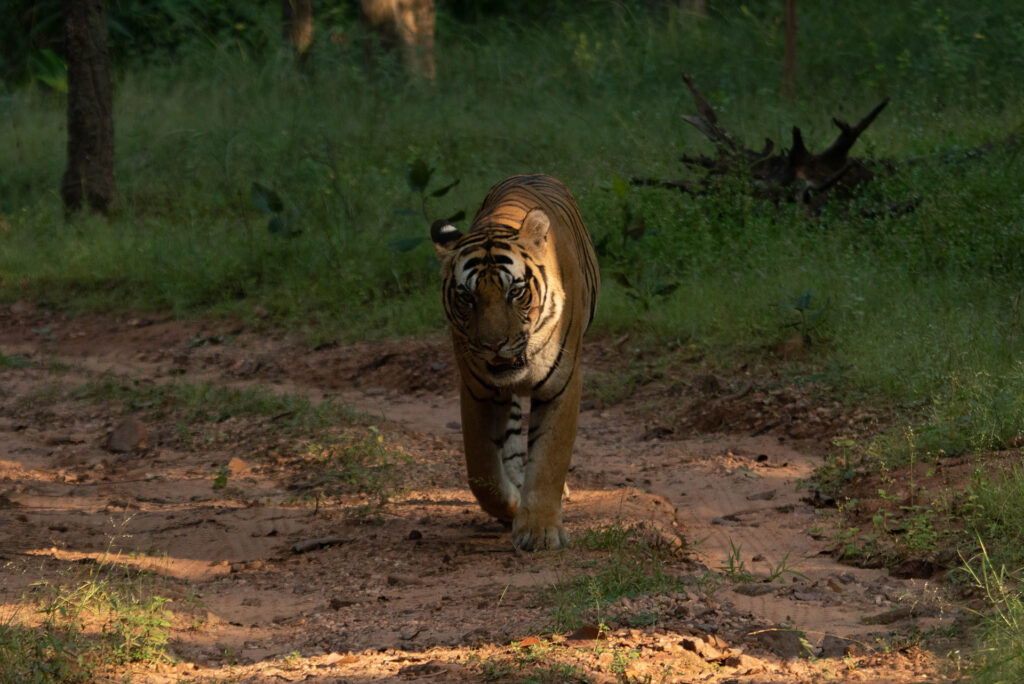
One of the biggest challenges wildlife photographers face is commotion. Too many vehicles, too much movement, and the pressure of trying to capture a fleeting moment before it disappears behind another jeep.
That’s why our departures are intentionally small, with no more than eight guests per journey.
Smaller groups allow for quieter sightings, more flexibility in positioning, and the freedom to spend longer observing a subject without unnecessary bustle. The experience feels slower, more immersive, and far more personal.
We also consciously avoid crowded sightings where multiple vehicles surround a tiger. Rather than joining the chaos, our naturalists often choose to move away and focus on other wildlife encounters unfolding elsewhere in the forest. The goal is not simply to see a tiger, but to experience and photograph wildlife in a calmer, more meaningful setting.
Because for many photographers, a peaceful sighting with space to observe behaviour and compose thoughtfully is far more rewarding than a rushed glimpse surrounded by noise and commotion.
The Best Wildlife Photography Safari Experience in India
With entry into prime core zones known for high wildlife activity, along with extended forest timings where photographers can enter before the rush of vehicles and remain after the crowds begin to thin. These quieter windows of time in the forest often produce the most memorable conditions.
And after the drives end, you return to intimate stays right at the edge of the wilderness itself.
Whether in Bandhavgarh, Pench, Kanha, Ranthambore, Panna or Satpura — some of the best places for wildlife photography in India — every part of the journey is designed with photographers in mind — from intimate stays close to the park to small group departures and access to prime wildlife zones.
Because great wildlife photography rarely comes down to luck alone. It comes from preparation, patience, and being surrounded by people who know exactly how quickly a moment in the wild can disappear.
At Wilderness Uncut, the goal is simple: to give photographers the best possible chance to come home with images that truly feel earned.