
Across much of the world, the appearance of a large predator near a village is often met with fear.
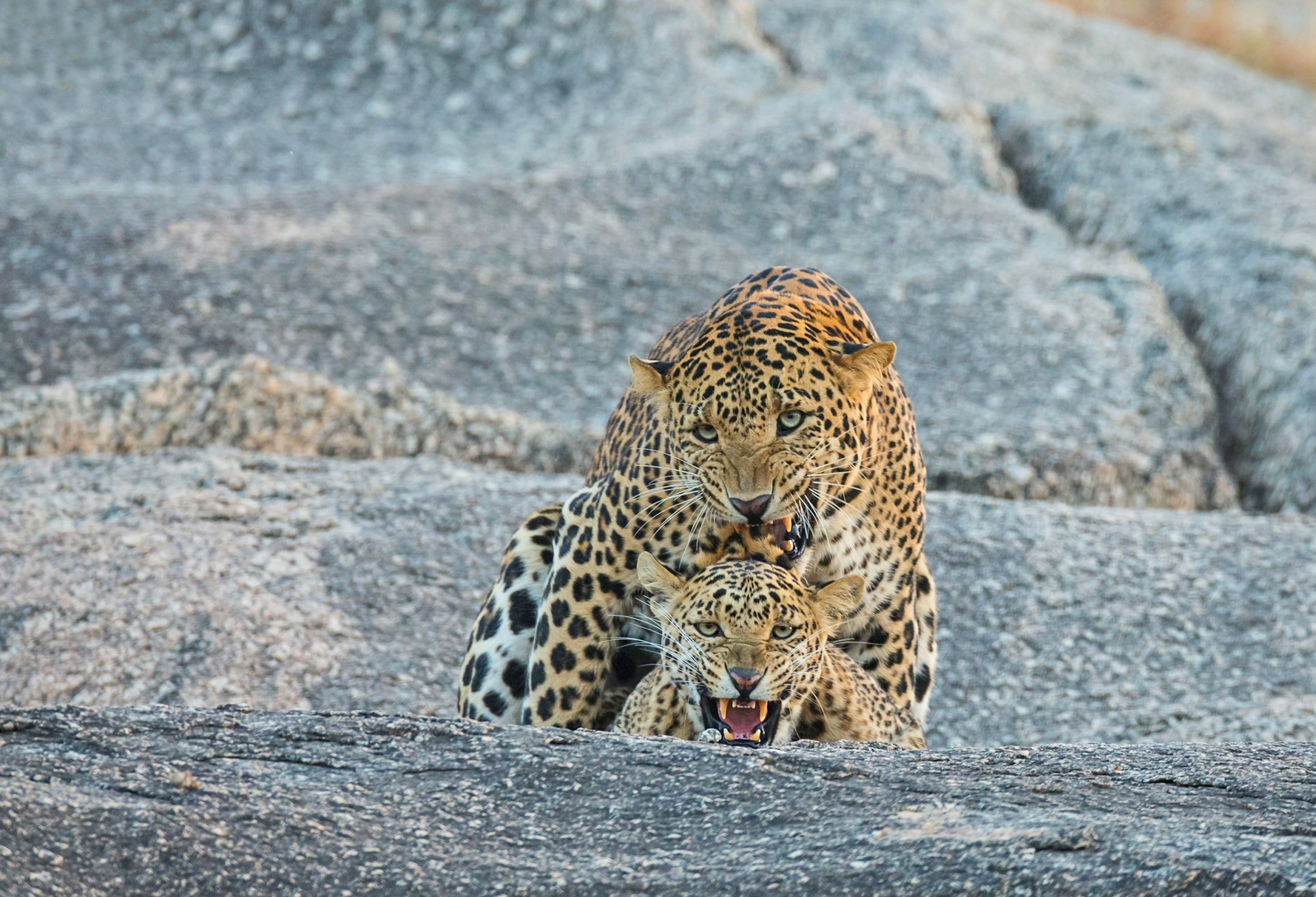
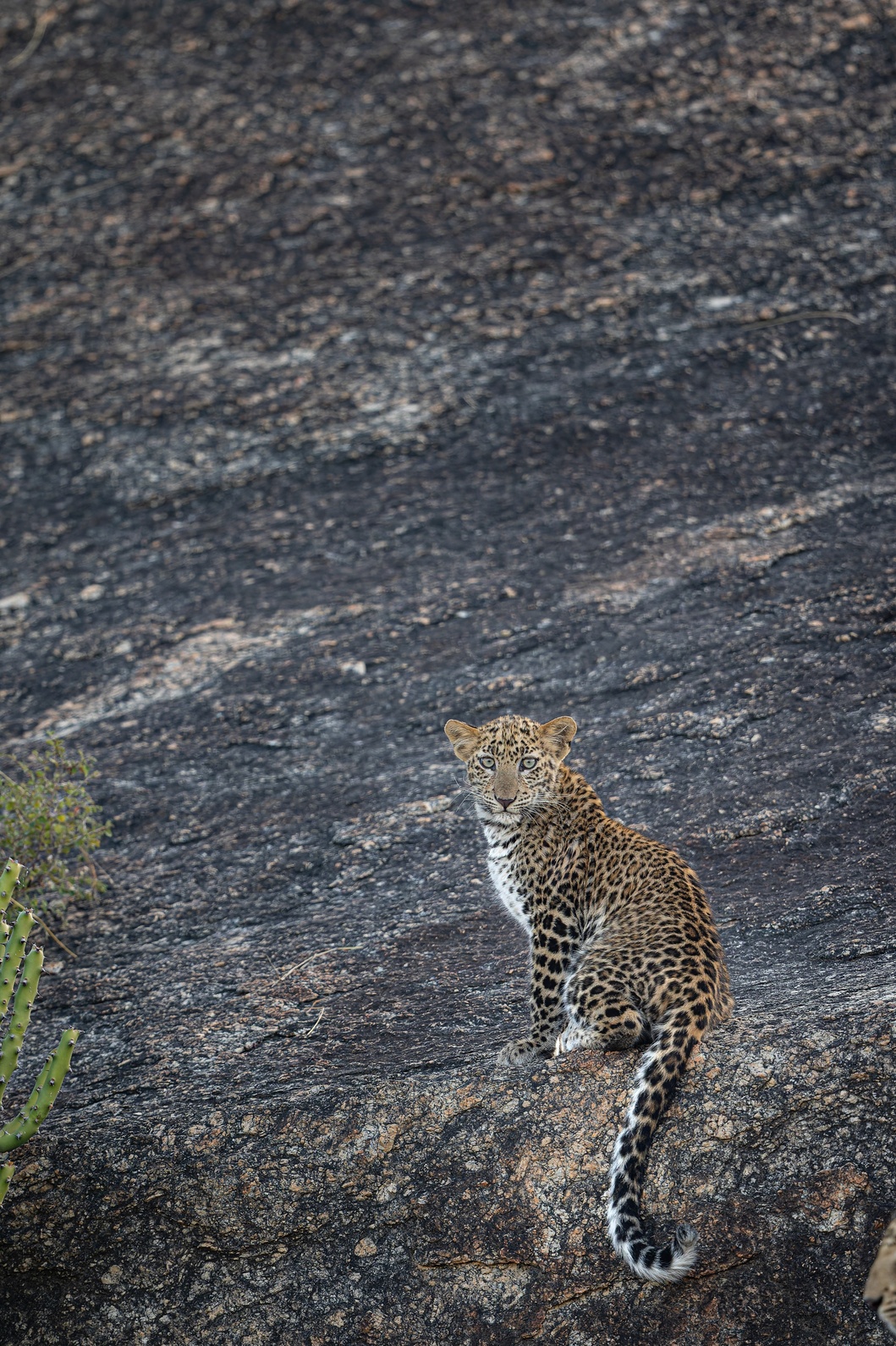
In Jawai, a rugged landscape of granite hills in Rajasthan, the response is often remarkably different. Here, leopards have lived alongside people for generations.
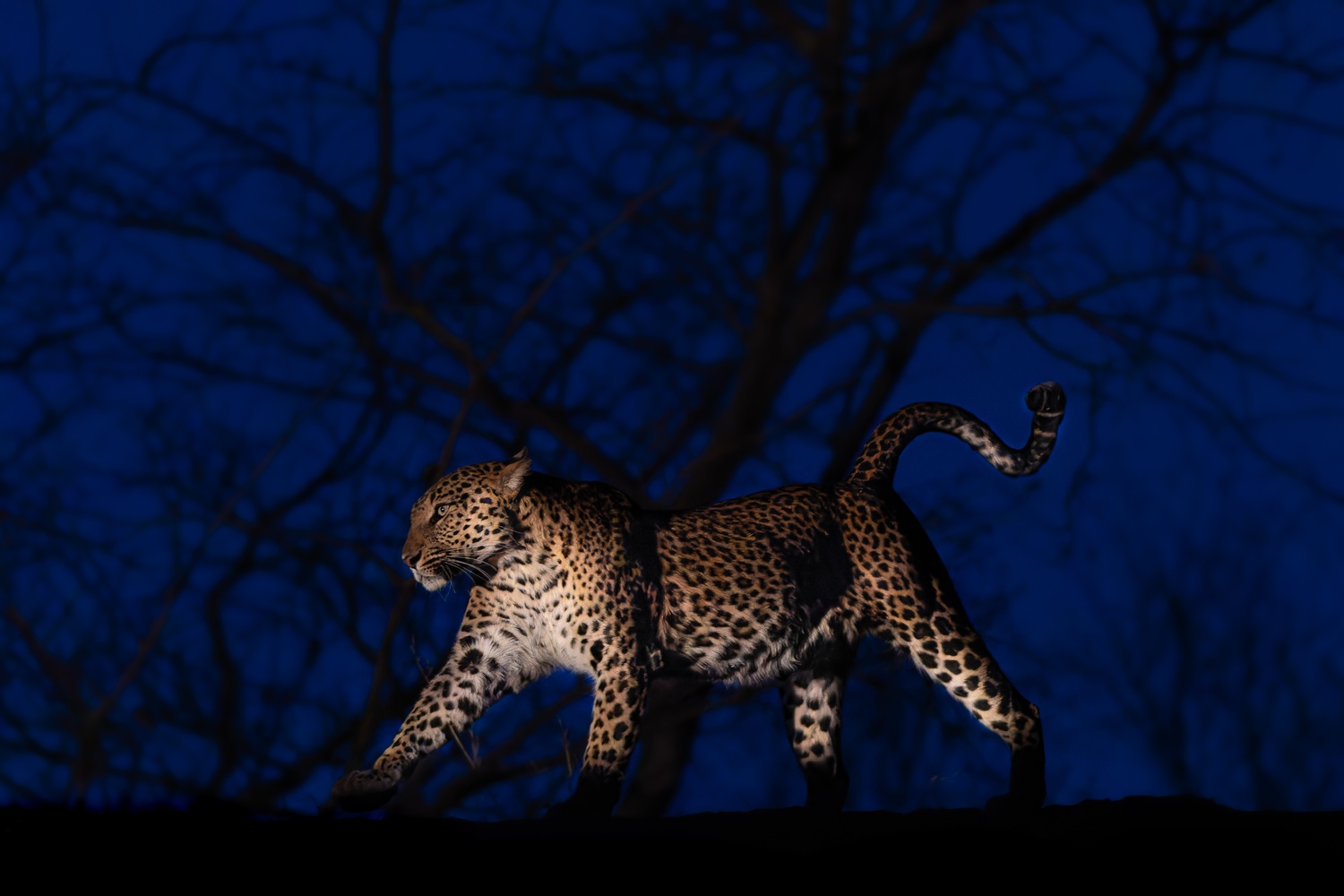
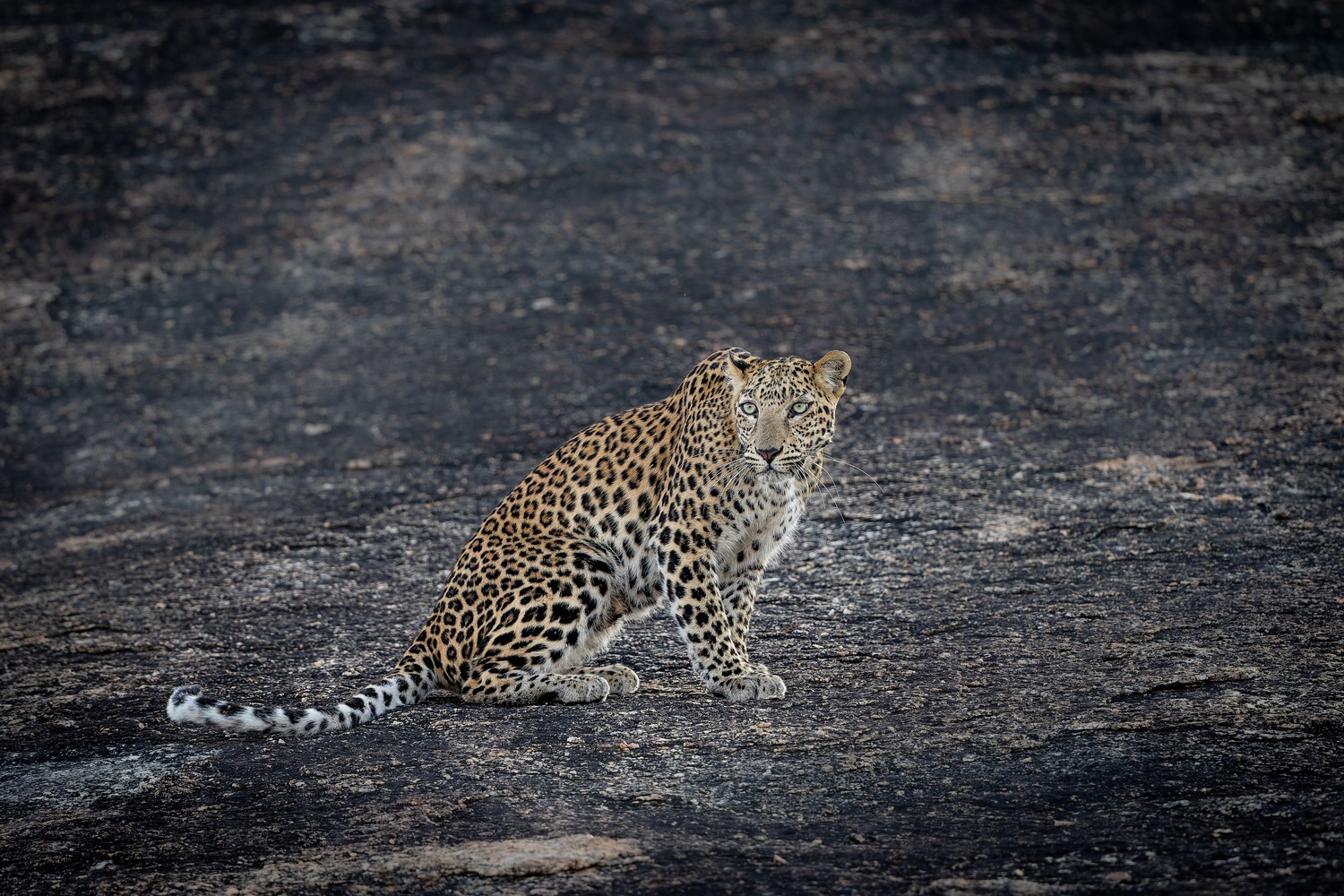
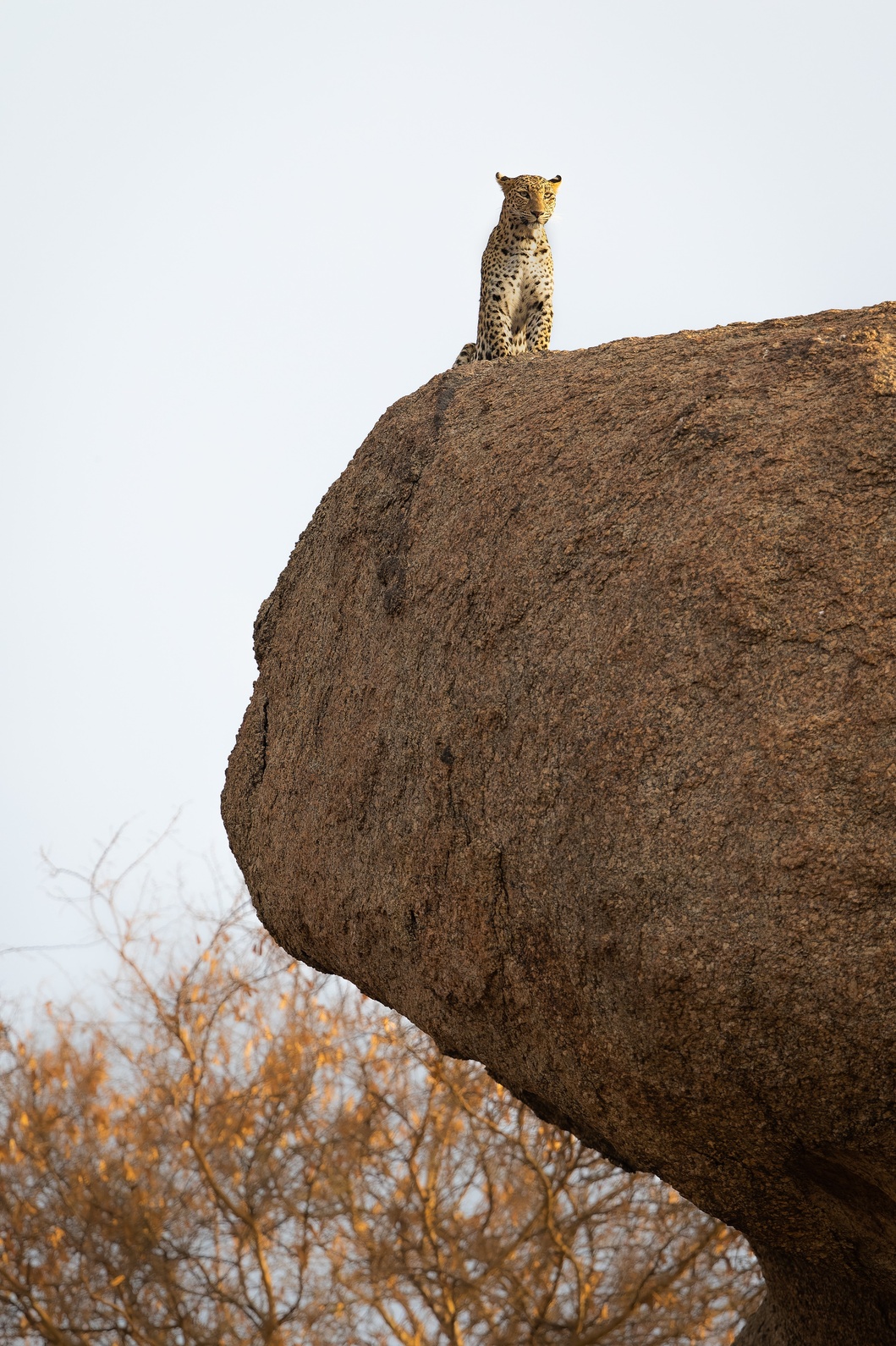
As dawn breaks over the ancient boulders, they emerge quietly from caves where they’ve spent the night. By evening, they move across the rocky outcrops overlooking villages, temples and grazing land before disappearing once again into the landscape.
Below them, life carries on. Shepherds lead their goats across dusty tracks. Children walk to school. Devotees climb temple steps carved into the hills. For the people of Jawai Rajasthan, sharing space with one of India’s most elusive big cats is simply part of everyday life.
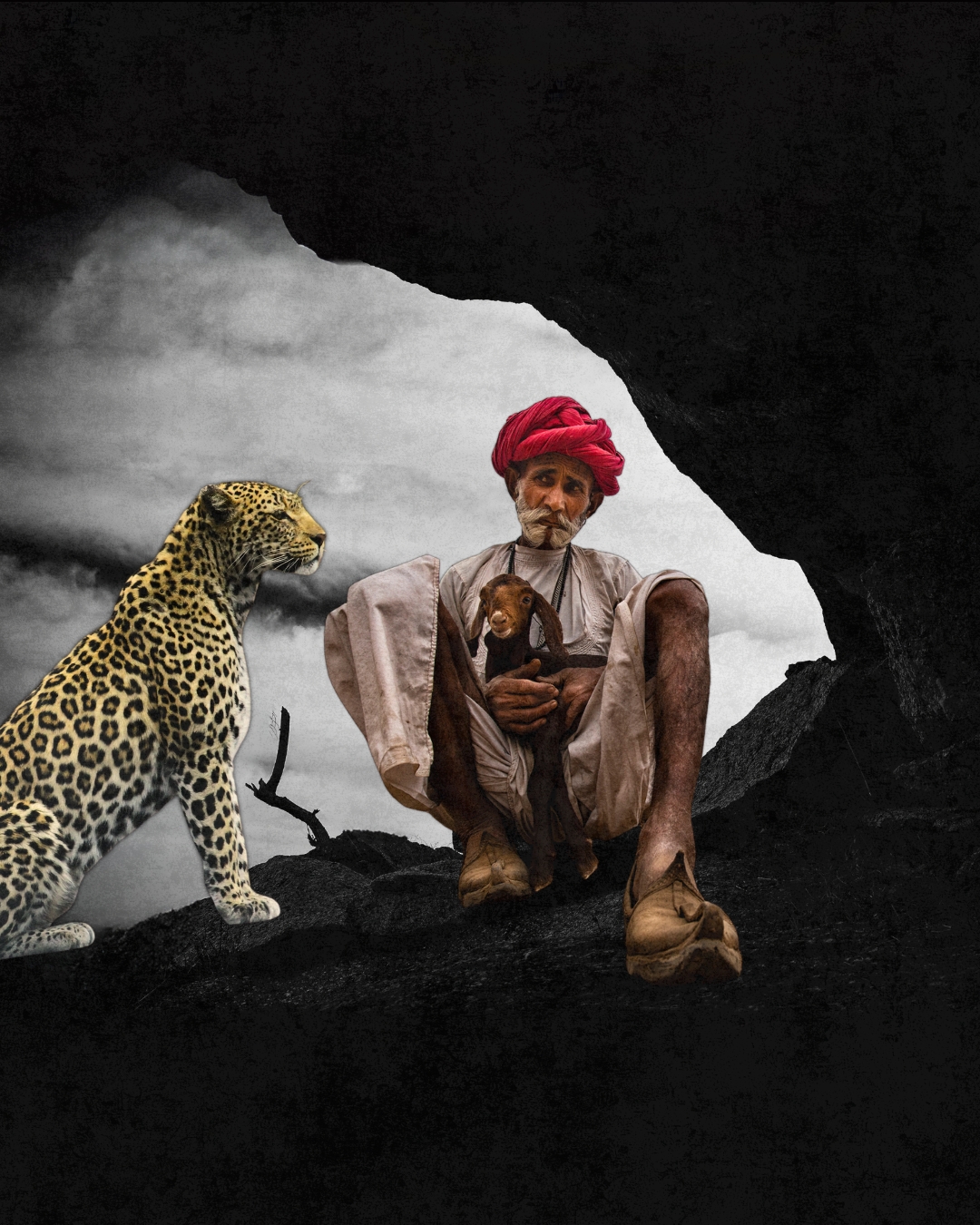
A Landscape Shared, Not Divided
Unlike many wildlife destinations, Jawai isn’t separated from human settlements by fences or boundaries. It is a working landscape. Villages, temples, grazing lands and leopard territory exist within the same ecosystem, each shaping the rhythm of the other.
It’s a natural balance that has evolved over generations rather than through strict management or enforced separation, offering a rare example of human leopard coexistence in Jawai.
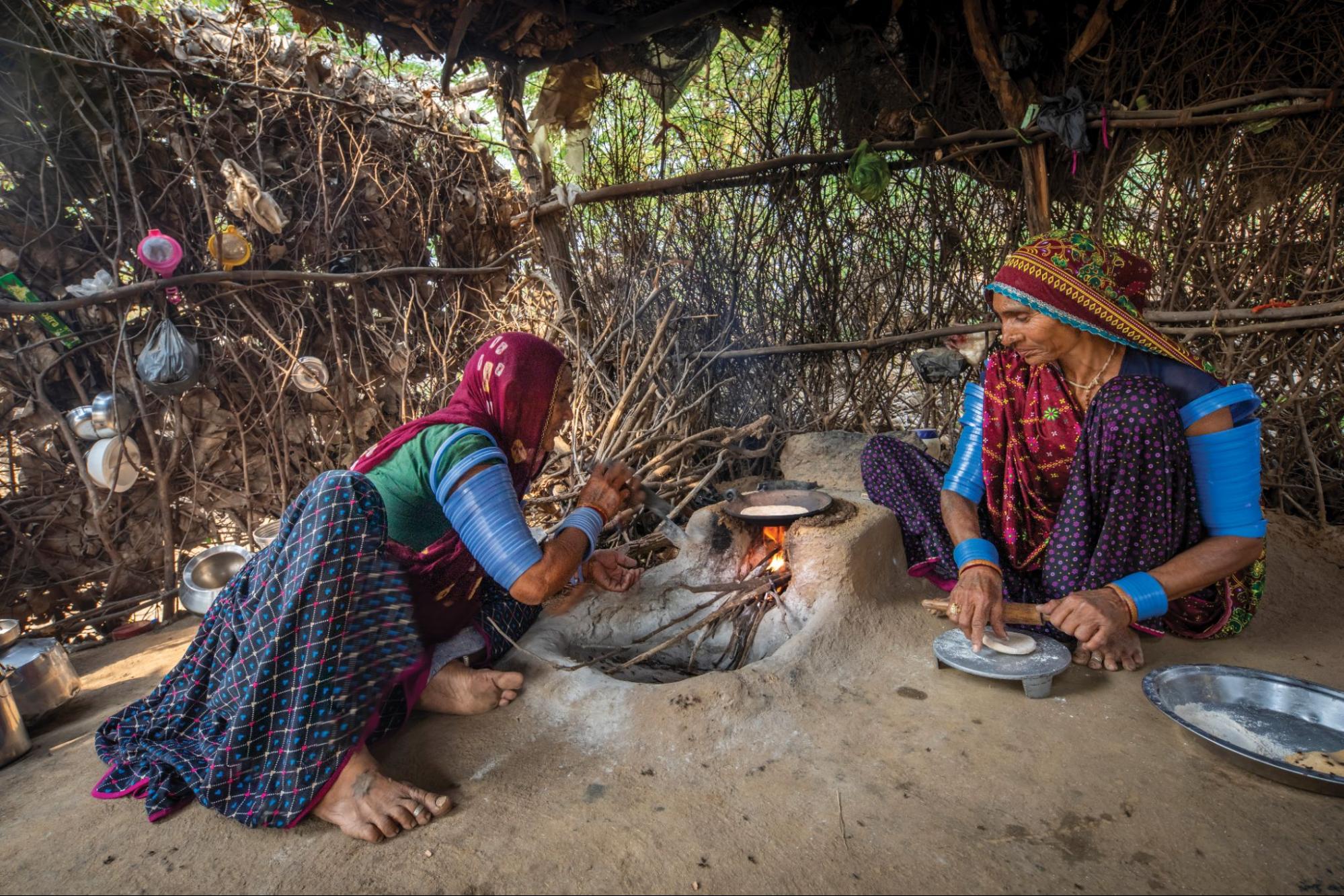
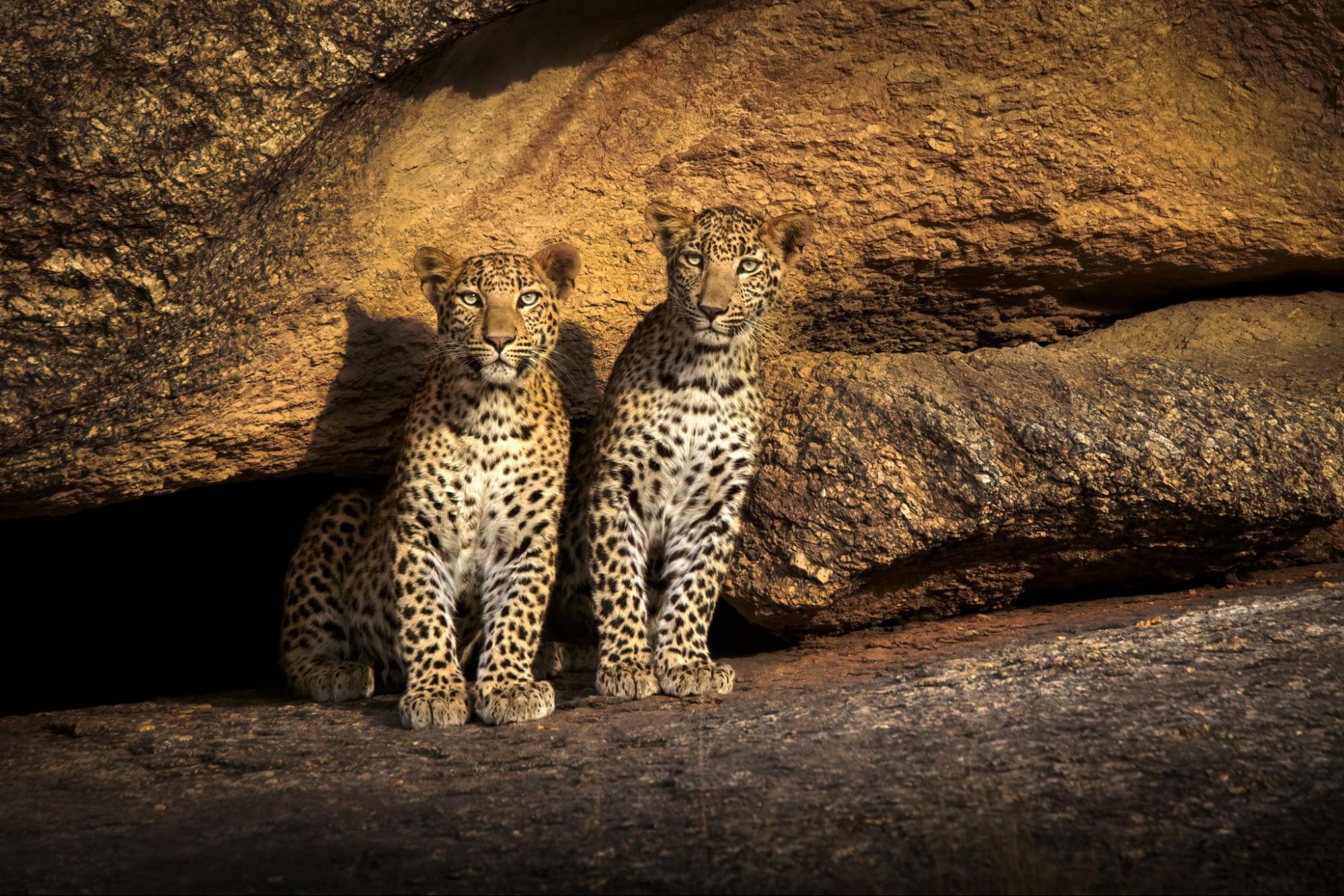
The Rabari Community and the Leopards
Much of Jawai’s story is intertwined with the Rabari community, pastoralists who have lived in this region for centuries. Their lives revolve around livestock, the changing seasons and the landscape itself.
Living this closely with wildlife naturally comes with challenges. Leopards occasionally prey on goats or sheep, and losses do happen. Yet retaliation is remarkably rare. Part of this stems from generations of understanding leopard behaviour. The Rabaris know when the cats are most active, where they are likely to move and how to minimise unnecessary encounters.
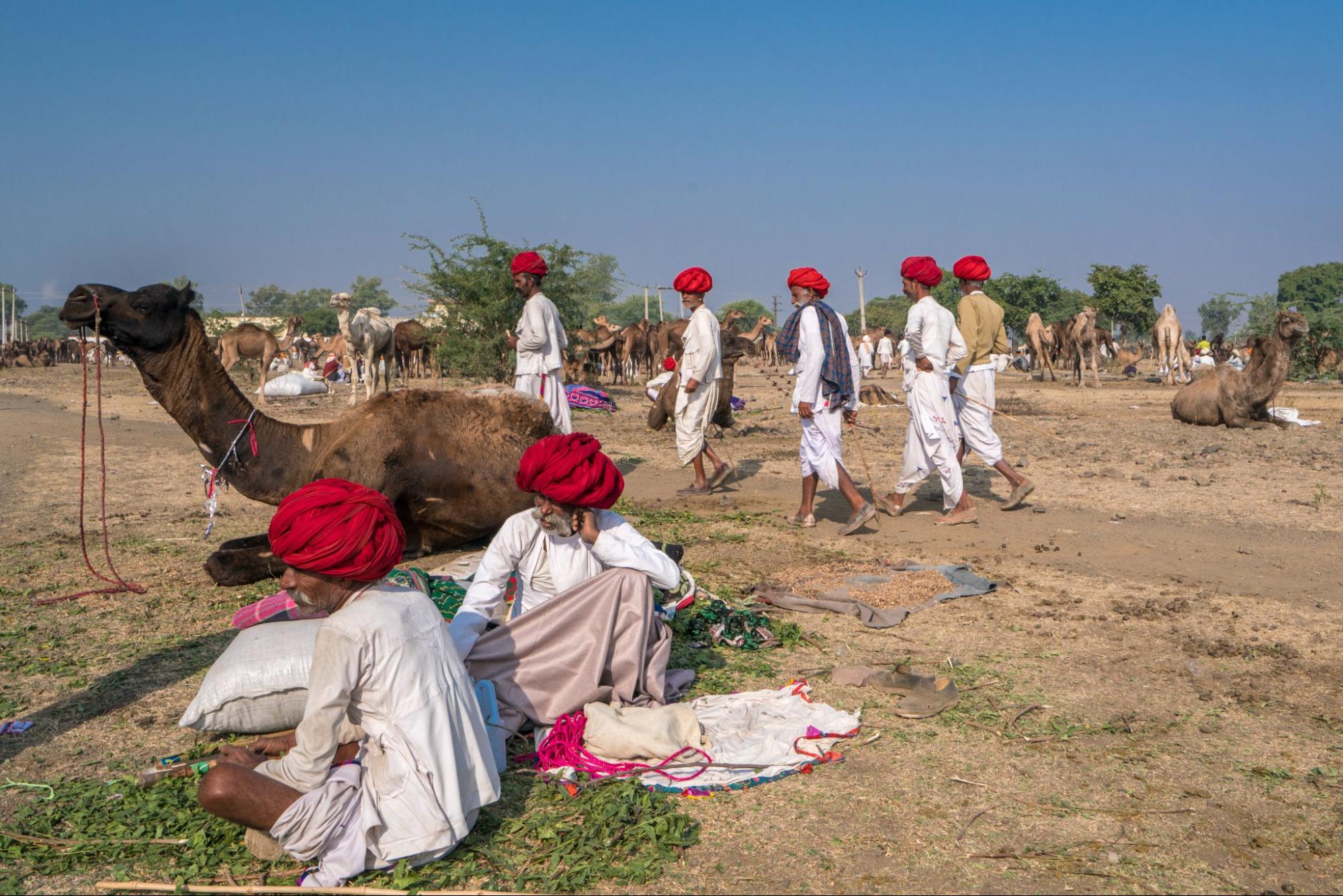
The deep cultural relationship they share with the land is equally important. Many families regard the granite hills as sacred spaces, with temples perched high among the rocks. Leopards are seen not as intruders, but as fellow inhabitants of these ancient landscapes.
That doesn’t mean people take unnecessary risks or ignore the realities of living alongside a predator. It means coexistence is built on awareness rather than fear.
Lessons from Jawai
Over the years, wildlife tourism has brought new opportunities to the region, creating livelihoods connected to preserving the very landscape the leopards call home. Conservation, culture and local economies have become closely linked.
Leopard conservation in India is often imagined as keeping wildlife and people apart. Jawai suggests another possibility. It reminds us that coexistence isn’t always about removing humans from nature. Sometimes it’s about understanding, adapting and respecting the rhythms of the wild.
Watching a leopard emerge from the rocks while life continues peacefully below challenges many of our assumptions about how humans and predators can share space. It is, perhaps, one of the most remarkable wildlife stories in India.
Explore India's Wild Landscapes
Jawai has long been one of the highlights of Leopards of India, one of Wilderness Uncut’s signature expeditions, where guests explore the country’s most extraordinary leopard habitats—from the high-altitude landscapes of Ladakh to the granite hills of Jawai.
For those hoping to discover the best places to see leopards in India, Jawai offers something few other destinations can. The opportunity to observe wild cats of India in a landscape where wildlife and people continue to share the same space.
Keep an eye on our website for future departures and discover the remarkable big cats of India through the eyes of our expert expedition leaders.